Your Cap Table Is a Crime Scene: The Diligence Checklist Founders Never See Coming
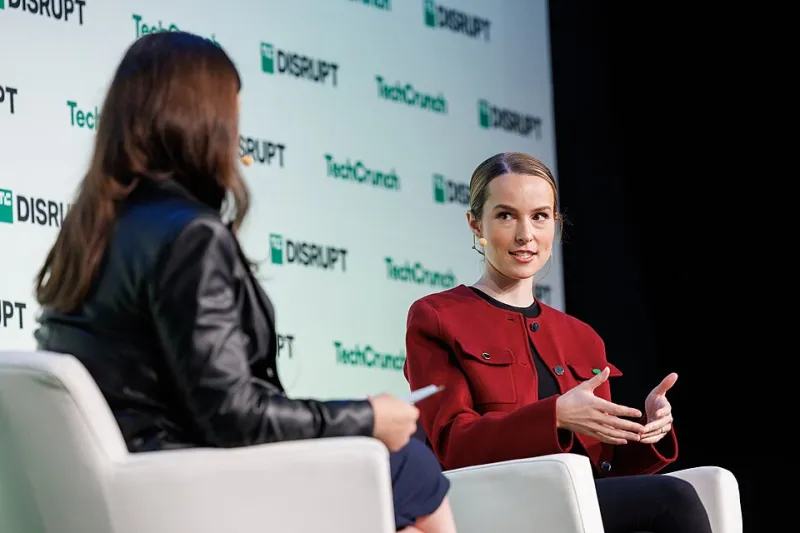
Photo: TechCrunch, CC BY 2.0, via Wikimedia Commons
Here's a fun party trick for your next founder meetup: ask the room how many diligence requests they got before their first check. Then ask how many they were actually ready for.
The gap between those two numbers is where deals die.
Founders spend months polishing the pitch narrative and almost zero time on the boring stuff — the cap table, the IP paperwork, the angry former contractor. Then a term sheet shows up, diligence kicks off, and suddenly everyone's scrambling to find a PDF from 2023 that doesn't exist.
We talked to seed-stage investors across the US about what they actually check before wiring money. Their answers weren't sexy. That's the point.
The Cap Table Is the First Thing They Open
"If the cap table is messy, I assume everything else is messy," one Bay Area pre-seed partner told us. "It's the cheapest signal I get."
What counts as messy? A few things show up again and again:
- Advisors holding 2-3% each from a dozen handshake promises
- A "founding engineer" who left but kept their stake with no vesting termination
- SAFEs from friends and family with no filing trail
- Side letters nobody can find
None of these are dealbreakers on their own. But they tell an investor that you don't run a tight ship — and at the earliest stage, the ship is the founder.
The fix costs almost nothing. Get on Carta or Pulley early. Standard four-year vesting with a one-year cliff for everyone, founders included. If you've promised equity to anyone, paper it. Today.
IP Assignment: The Landmine You Set Yourself
Did every founder and early contractor sign a Proprietary Information and Invention Assignment Agreement (PIIA)? If you incorporated through a proper law firm, probably yes. If you used a template and good intentions, maybe not.
Investors check this because a single engineer who never assigned their work product can cloud ownership of your entire product. It's a ten-minute signature today and a six-figure legal problem at Series A.
Customer References Cut Both Ways
This one surprises people. Early-stage investors do call your customers — not to verify revenue, but to hear how you talk about problems.
One East Coast seed investor put it bluntly: "I've passed on deals because the customer said the founder oversold and under-delivered. At pre-seed, character diligence is the diligence."
Prep your references. Pick customers who like you but won't gush — credibility beats hype. And never, ever put someone on the list without asking them first.
The Bank Account and the Burn
Expect to show your actual bank statements and a simple monthly burn figure. Investors aren't auditing you; they're checking that your story matches your reality. If your deck says 18 months of runway and your bank says nine, that conversation goes badly fast.
A one-page financial summary — cash in, cash out, runway, top three expenses — answers 90% of these questions before they're asked.
Entity Hygiene and the Delaware Question
Is your Delaware C-corp actually formed correctly? Are the stock purchases signed and funded? Did you file your 83(b) elections within 30 days of grant?
That last one is a silent killer. Miss the 83(b) window and your tax situation gets ugly — and sophisticated investors will notice. There's no fix after the deadline. If you're not sure you filed, ask your lawyer now, not during diligence.
The 'Founder Background' Check Is Real
Yes, they Google you. They'll look at LinkedIn history, past ventures, and any public disputes. This isn't about being perfect — investors have backed founders with bankruptcies and failed companies. It's about surprises. If there's something in your past, address it proactively in diligence rather than letting them find it.
Your 1,001-Item Prep List, Condensed
You don't need all 1,001 things. You need the dozen that come up every time:
- Clean cap table on a real platform
- Signed PIAs for every contributor
- 83(b) elections filed and documented
- Delaware C-corp with proper board consents
- Bank statements and a one-page burn summary
- Three prepped customer references
- All SAFEs and side letters organized in one folder
- Employment agreements for anyone on payroll
Build a diligence folder before you start fundraising. Founders who can send it within an hour of the ask signal something more valuable than any metric: they're operators, not just storytellers.
And in a market where capital is still selective, that signal is often the difference between a signed term sheet and a very polite pass.